The misconceptions of mental illness
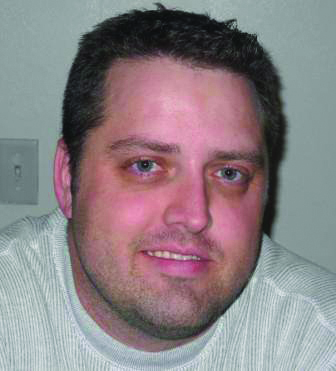
This archived article was written by: James Justice
Today, on the day of my birth (Sept. 16), a man at a naval base in Washington, D.C., “snapped” and killed 13 people. Aaron Alexis was identified as the shooter, he was found dead at the scene. It’s not known if he killed himself or if he died via bullets exchanged with police. This is what we know about this man: one, he’s ex-Navy (though he worked for the Navy as a sub-contractor.) Two, he had a record of assault and battery. Three, he had been arrested twice before for shooting related crimes and had a history of “misconduct” in the Navy. Four, he had extreme anger issues. Now before I write about this incident, I want to give my heart-felt sincere prayers to both the victims and to Alexis. This is a horrible incident that could have been avoided IF the proper help was in place for the mentally ill.
Alexis witnessed 9/11 and was one of the few heroes that helped save lives. Because of the horrors of 9/11, Alexis was diagnosed with PTSD. This also affected him and made him have a harder time controlling his anger. That is all they know about Alexis. It makes me think: “Why did his anger/PTSD cause him to do the same thing to innocent people that caused him so many problems in the 9/11 incident?” All this contributes to the fact that Alexis was mentally ill.
This brings up a question in my mind of the obligation in our society to take care of the mentally ill; do we imprison people with PTSD? What about the people who are bi-polar or schizophrenic, do we lock them away and say it’s for the “safety” of the majority? Do the needs of the many outweigh the needs of the few, or the one? Do we stick them all on an island, let them crazy each other to death? Do we force people, who have been diagnosed with one of these horrible diseases, to take mind altering drugs, in many cases causing them to behave like zombies, for our safety? Do we run and hide from people who are different because we don’t understand them? I’m going to try and answer some of these questions from my unique viewpoint. I’m unique because I am one of them, I’m bi-polar.
Let me say in no way am I trying to compare myself with Alexis. And that’s the problem with mental illness, you can’t lump everyone together. Who do we help and who do we not help? From my experience I have the following things to share:
The mental hospital is not that bad of a place. I know it sounds crazy to say that, but it’s just like a hospital you go to when you get injured; broken bone, severe bleeding, car wreck, they’re there to help you. It’s not like you’re in a straight jacket or a padded room, well at first anyway… you really have to work yourself into one of those. They have the most caring doctors and nurses trained to help you deal with the issues.
Being treated for mental illness is not an easy or cheap treatment. Most of the medication I was on was extremely expensive. Not only was there a huge expense, there was also extreme side effects. Dizziness, inability to be aroused, being tired all the time, blood/liver problems. They stick you on medications to get well, and those medications end up making you physically sick and unable to lead a normal life.
There’s an extreme social stigma attached to any mental illness. In fact, up until I faced this beast head on, I was scared to tell anyone about it. But I’ve found talking about it helps me deal with that fact that I’m sick. A lot of people will pull back, isolate themselves from the general population; no one likes to be made fun of.
What can we do to help people in situations like what Alexis faced? We don’t lock them away or run screaming away from them when they approach. It is amazing what a smile can do for someone that’s been alone and in pain. Or asking how their day has been? Giving them a hug and letting them know we care about them, or shooting them a random text message letting them know they’re on our mind. That’s how we change situations like this, we make people believe in the human race again.
Do I think this would have changed Alexis’ situation? Maybe or maybe not. We never know until we try. While it’s too late for Alexis, it’s not too late for your neighbor, or that student in the back of the room that has no friends, or the person that sits alone in the cafeteria, or the person that shies away from social interaction. Maybe they’re facing the demon of mental illness, a demon from which there is no escape. Let’s all work on showing more love, maybe, just maybe, we can stop incidents like this from happening again.