The difference between knitting and crotchet
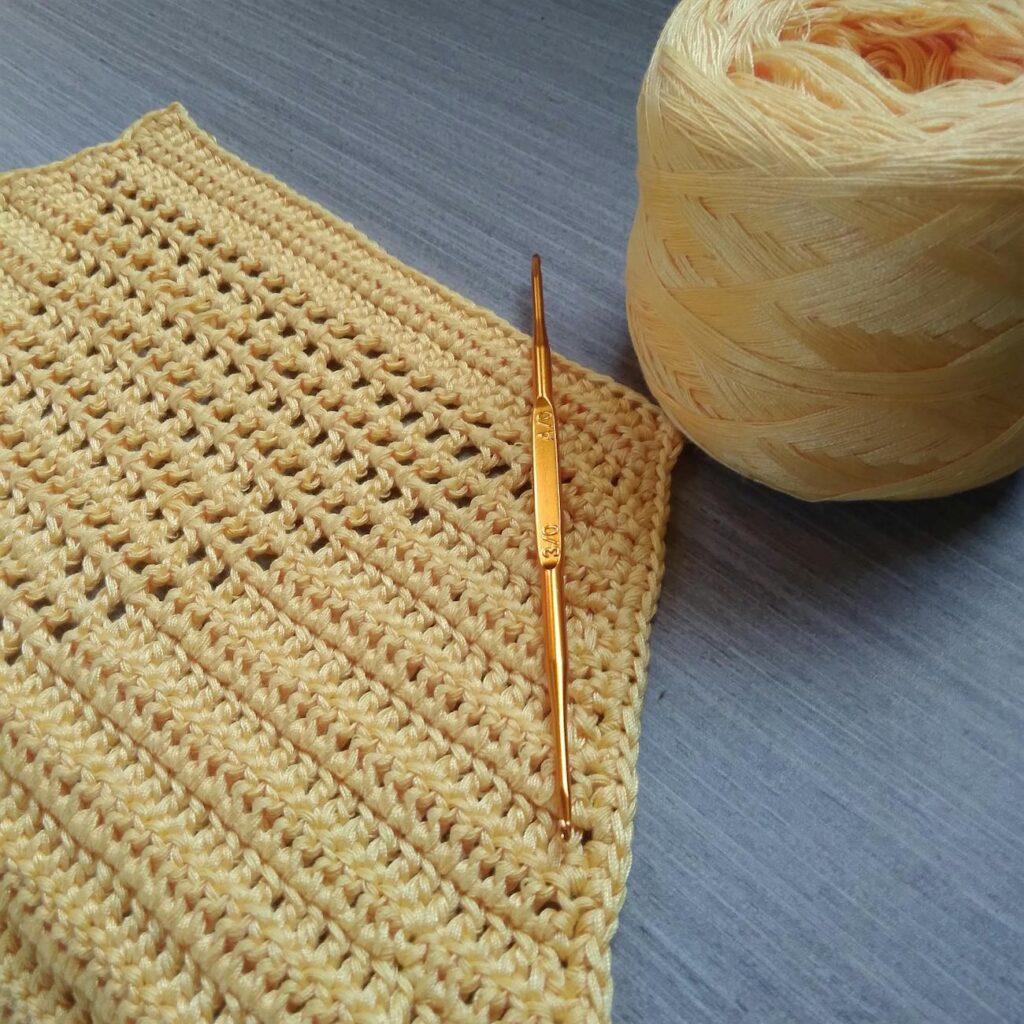
Photo by Mary Michaelyne on Pexels.com
It is made using a needle with a hook at the end. Most projects are made with a base chain using the hook to pull the yarn through the individual holes in the chain, making interlocking stitches. The most common stitches include slip stitch, single crochet, and double crochet, which vary in size: the higher the number, the longer the stitch. The number is decided by how many yarn overs you do on the hook. You can do as many as you please but there is eventually a limit. Through these stitches, you can achieve infinite patterns and designs and do hybrids of the following to gain puff stitches, open lace work, and far more.
Knitting originated in the Middle East and North Africa, specifically in Egypt. The word knitting comes from the Old English word cyning, meaning “to knot.” It is constructed by casting on a row onto a needle and worked from one needle to the other.
From the cast-on row in most projects with rectangles, you’ll have the same number you started with. If you’re doing something that doesn’t require increases or decreases.
For the most part, knitting is worked in a binary code of knit and purl. Because of this, it’s very easy for machines to replicate it. A pearl stitch is a knit stitch that’s worked inside out. With just those 2 there are infinite patterns you can get. Knit and pearl aren’t just the only stitches, there’s also yarn over and plenty of others, but you usually only see those in open lace patterns.
With crochet, there is more flexibility with your projects, and it works up very quickly. However, there is more strain on your wrists, and it tends to produce thicker, less drapey fabric, but this can be a good thing for other items like a thick jacket or a sturdy bag.
Another perk is that crochet is much easier to learn and teach. It is still very much a living craft and has gained more recent popularity.
Knitting is a very drapey fabric that works perfectly for stretchy items like socks, gloves, and other pieces that need drape. Another thing is that machines can do it easily, which has made it more accessible to the public. Unfortunately, this means fewer people are doing it, and it’s lost its popularity. It’s also kind of difficult for some because there is a lot going on at once, which makes it hard to explain to others and to do. A great perk is that you can work for hours without much fatigue, since your hands stay in the same position for the most part.
Both these hobbies are amazing for relieving stress and having fun. They’re both really creative, and you’re left with a beautiful piece, both for art and practicality. They have kept our ancestors warm and will keep us warm. Now, the next time you see something, you’ll know how it’s done and hopefully appreciate it more. Thanks so much for reading, and have an amazing day.