FIA cancels the Bahrain and Saudi Arabian Grand Prix
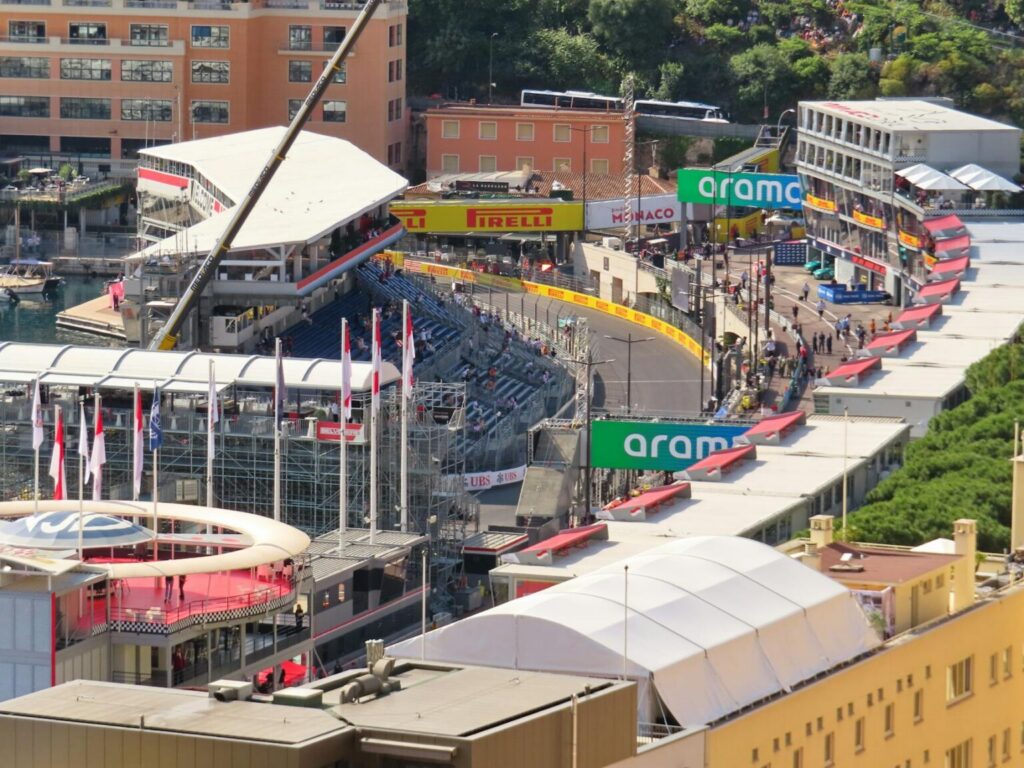
Photo by Vitória Zanella on Pexels.com
The FIA has canceled two of the next four Formula 1 races: the Bahrain and Saudi Arabian Grand Prix. That means that after the Japanese Grand Prix on Saturday, March 28, there will not be another race until Sunday, May 3, in Miami. While with the current political climate, this does not come as a surprise, but it is intriguing.
Any time a Formula 1 race is canceled, it is a big deal. Each canceled race causes the teams and drivers to lose points. In Formula 1, points are essentially money to each team. The team that comes out with the most points at the end of the season in Abu Dhabi, UAE wins the constructors championship. Formula 1 distributes prize money according to placement in the constructors championship and other historical factors with the winning team typically taking about 14% of the prize pool. This amount can easily go over 100 million. With both the Bahrain and Saudi Arabian Grand Prix’s canceled this is a loss of 110 points that teams could have grabbed. With the most one team could take being 86. Beyond individual teams losing money, Formula 1 as a whole is estimated to lose between $190-$200 million during those two races.
Because of the cost to cancel races, it is not something that is seen in the sport very often, with only about 33 canceled from the 1980s to now. With Covid-19 accounting for approximately 20 of those cancellations. The rest of the cancellations came mainly from conflicts in the area, like how the Russian Grand Prix in 2022 was canceled because of the invasion of Ukraine. Other reasons include economic issues and weather-related incidents, such as flooding, that make the track undrivable. It is also important to acknowledge that several motorsport races including Formula 1 were canceled after the 1955 Le Mans Disaster. Although I could not find an exact number.
The FIA has not canceled several races in the past, despite them seeming like they should have been canceled. A great example of this was from the 2022 Saudi Arabian Grand Prix when there was a missile strike that struck an oil facility roughly 11 kilometers away from the race track. The smoke was visible during the first free practice. Another example that comes to mind is the 1994 San Marino Grand Prix. This weekend has been called the darkest weekend in Formula 1 history, with Ronald Ratzenberger dying during qualifying and Ayrton Senna, a three-time world champion, dying on lap seven of the race. While Senna was not pronounced dead on scene but later at Maggiore Hospital there have been several conspiracies that have emerged surrounding Senna’s death.
In the end, the cancellation of Bahrain and Saudi Arabian Grand Prix was sensible, but leaves a month’s gap during the normal season. To fill this gap fans online have suggested a variety of options like a karting race with the Formula 1 drivers for charity. The FIA and Formula 1 teams have not come out with a plan to replace these races so it is unlikely to see anything beyond normal team marketing. If fans are looking for something to do during the gap in April there are several other motorsport events that will not be affected by the Formula 1 race cancellations.